DECLARACIÓN:

ESTE BLOG NO TIENE ANIMO DE LUCRO NI CONFLICTOS DE INTERES. SU ULTIMO FIN ES NETAMENTE EDUCATIVO

domingo, 23 de septiembre de 2018

Martes 25 de Septiembre 2018

Laura tiene 44 años.    No tiene antecedentes de importancia y es una bailarina de ballet profesional . 
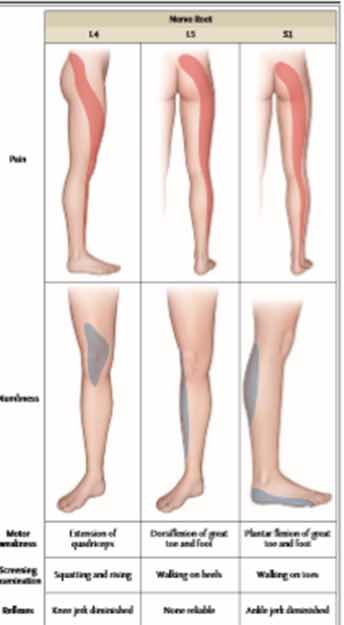
Esta en urgencias ya que en forma aguda, luego de levantar una matera presenta dolor severo en la region glutea derecha que se irradia por la parte posterior del muslo, cara lateral de la pierna hasta el tobillo. 
Manifiesta que el dolor es tipo quemadura en la zona de la pierna y tipo presión.  En la fase inicial el dolor lo califico como 8/10.   Tiene un componente incidental por lo que ha tenido que estar acostada en el piso .  
Al examen tiene una actitud álgica, No puede caminar.    Al parecer tiene hipoestesia en la carta lateral de la pierna.   No parece tener deficit motor. 

En urgencias le administraron 30mg de ketoprofeno,  1 mg de hidromorfona y le hacen esta resonancia.      


1.    Identifique el problema 
2.    Describa la anatomía de el disco intervertebral (composición, inervación, irrigación)
3.    Cuales son los tipos de lesión que pueden presentar 
4.    Por que mecanismos produce dolor ?
5.    Cual es el curso normal de evolución luego de una lesión cómo está. 
6.    En una semana vamos a hablar de manejo.  


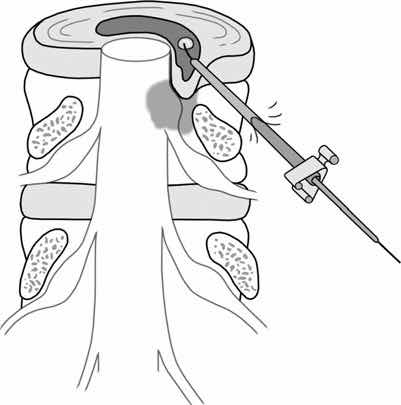
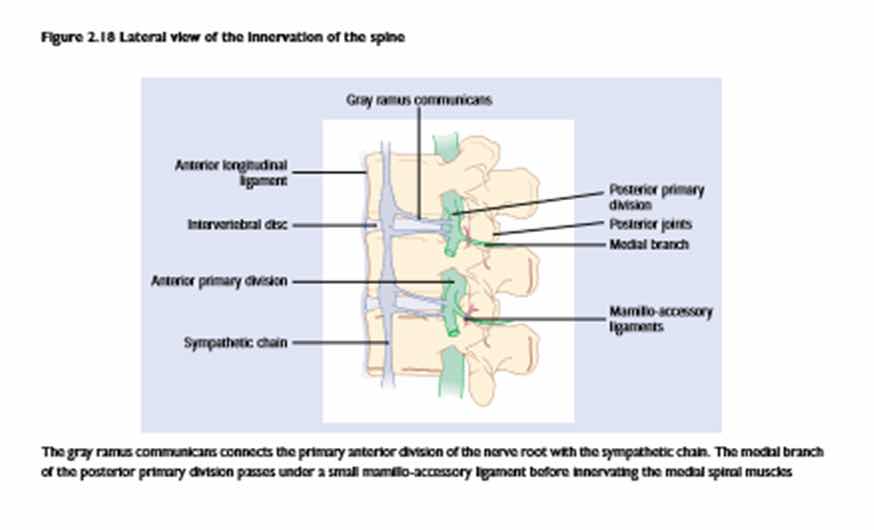
Estas imágenes los pueden ayudar. 


sábado, 15 de septiembre de 2018

sábado, 8 de septiembre de 2018

Martes 11 septiembre 2018

HOLA 👋🏿👋🏿👋🏿👋🏿👋🏿

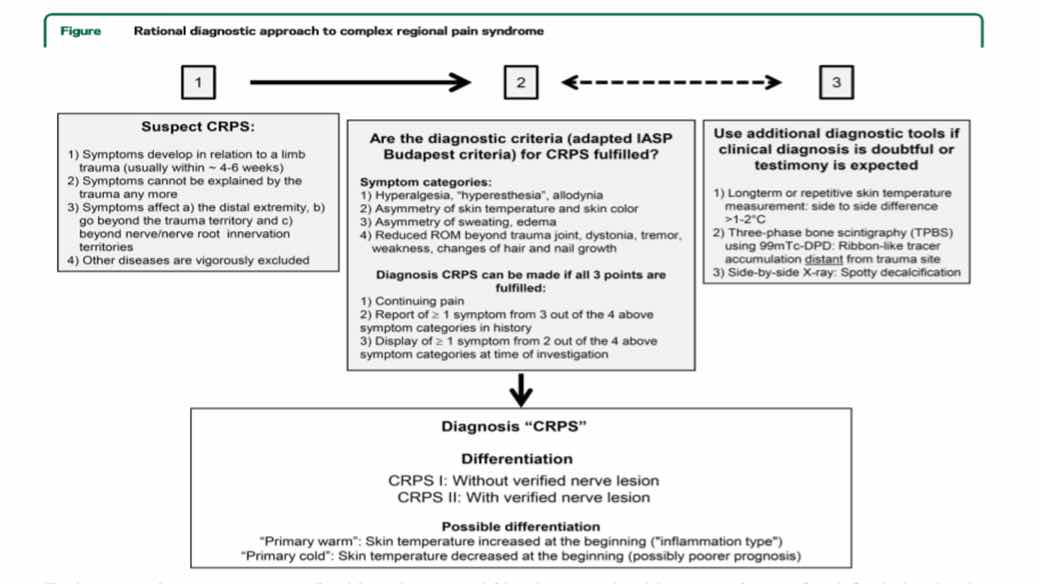
Rafael tiene 42 años , hipotiroideo, deportista,  hace 6 meses fue operado de un túnel del carpo derecho.   
El postoperatorio ha sido tórpido asociado a dolor e incapacidad funcional.  Al tercer mes, recuerda que el dolor era 8/10 y que tenía una sensibilidad cutánea incluso a corrientes de viento o agua.  Con frecuencia la coloración de la mano cambiaba y pasaba de estados de inflamación y desinflamacion.  Ha recibido múltiples tratamientos con amitriptilina, pregabalina y tramadol, sin embargo, manifiesta que no fue sino hasta hace un mes cuando empezó a tener control del dolor luego de un bloqueo que le hicieron en el cuello. 

1. Identifique los problemas 
2. Con que armamentario intervencionista se cuenta para el manejo de estos pacientes
3. Que bloqueo o bloqueos en el cuello puede proporcionar el efecto observado .
4. Cuales son las bases anatómicas y fisiológicas que explican su efecto 
5. En que otras patologías se puede utilizar. 


NOS VEMOS 


viernes, 31 de agosto de 2018

MARTES DE DOLOR. MARTES 4 DE SEPTIEMBRE 2018.

UNA BIENVENIDA A NUESTRA FAMILIA A NUESTROS 2 NUEVOS FELLOWS,  CAROLINA Y JAIME. ESPERO QUE SEA UN AÑO LLENO DE EXPERIENCIAS FAVORABLES Y MOTIVACIONES Y QUE CREZCAMOS JUNTOS EN ESTE CORTO AÑO. 


Recuerdo que hace un tiempo,  cuando presenté los Steps para el USMLE,  que me recomendaron estudiar de una serie de libros que exponían de una forma tan fácil temas médicos que todavía (y créanme que ha pasado un tiempito) recuerdo imágenes y nemotecnias.   Hay muchos libros y series con esta metodología, pero no hay ninguno de dolor (si la encuentran, ese sería un buen regalo). 

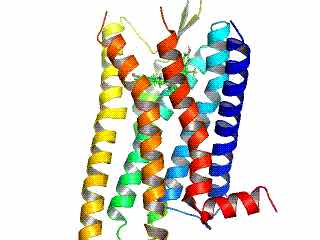
Este martes les propongo que realicemos un folleto "made ridiculously simple" que explique el receptor MU


Obviamente son dibujos y nemotecnias que publicaremos en el blog.  Debe ser dinámico.....   

Previamente lo he realizado con diferentes temas y creanme es divertido y se les queda !!!!!


Now vemos,  TODO VALE !!!!


domingo, 26 de agosto de 2018

Martes 28 de Agosto 2018.

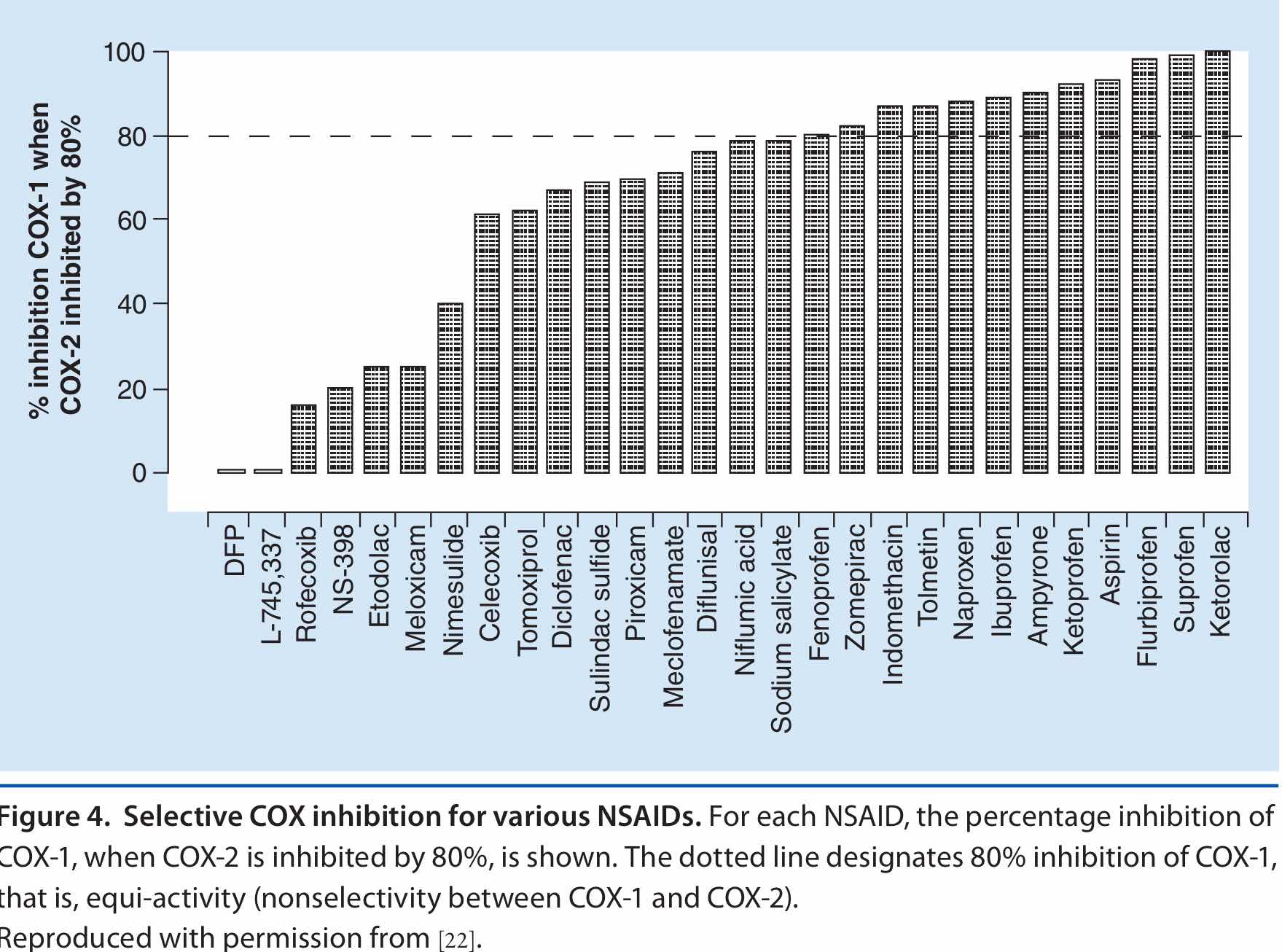
FDA Drug Safety Communication: FDA strengthens warning that non-aspirin nonsteroidal anti-inflammatory drugs (NSAIDs) can cause heart attacks or strokes (2015)

The U.S. Food and Drug Administration (FDA) is strengthening an existing label warning that non-aspirin nonsteroidal anti-inflammatory drugs (NSAIDs) increase the chance of a heart attack or stroke. Based on our comprehensive review of new safety information, we are requiring updates to the drug labels of all prescription NSAIDs. As is the case with current prescription NSAID labels, the Drug Facts labels of over-the-counter (OTC) non-aspirin NSAIDs already contain information on heart attack and stroke risk. We will also request updates to the OTC non-aspirin NSAID Drug Facts labels.

Patients taking NSAIDs should seek medical attention immediately if they experience symptoms such as chest pain, shortness of breath or trouble breathing, weakness in one part or side of their body, or slurred speech.

NSAIDs are widely used to treat pain and fever from many different long- and short-term medical conditions such as arthritis, menstrual cramps, headaches, colds, and the flu. NSAIDs are available by prescription and OTC. Examples of NSAIDs include ibuprofen, naproxen, diclofenac, and celecoxib (see Table 1 for a list of NSAIDs).

The risk of heart attack and stroke with NSAIDs, either of which can lead to death, was first described in 2005 in the Boxed Warning and Warnings and Precautions sections of the prescription drug labels. Since then, we have reviewed a variety of new safety information on prescription and OTC NSAIDs, including observational studies,1 a large combined analysis of clinical trials,2 and other scientific publications.1 These studies were also discussed at a joint meeting of the Arthritis Advisory Committee and Drug Safety and Risk Management Advisory Committee held on February 10-11, 2014.

Based on our review and the advisory committees’ recommendations, the prescription NSAID labels will be revised to reflect the following information:

  • The risk of heart attack or stroke can occur as early as the first weeks of using an NSAID. The risk may increase with longer use of the NSAID.
  • The risk appears greater at higher doses.
  • It was previously thought that all NSAIDs may have a similar risk. Newer information makes it less clear that the risk for heart attack or stroke is similar for all NSAIDs; however, this newer information is not sufficient for us to determine that the risk of any particular NSAID is definitely higher or lower than that of any other particular NSAID.
  • NSAIDs can increase the risk of heart attack or stroke in patients with or without heart disease or risk factors for heart disease. A large number of studies support this finding, with varying estimates of how much the risk is increased, depending on the drugs and the doses studied.
  • In general, patients with heart disease or risk factors for it have a greater likelihood of heart attack or stroke following NSAID use than patients without these risk factors because they have a higher risk at baseline.
  • Patients treated with NSAIDs following a first heart attack were more likely to die in the first year after the heart attack compared to patients who were not treated with NSAIDs after their first heart attack.
  • There is an increased risk of heart failure with NSAID use.

We will request similar updates to the existing heart attack and stroke risk information in the Drug Facts labels of OTC non-aspirin NSAIDs.

In addition, the format and language contained throughout the labels of prescription NSAIDs will be updated to reflect the newest information available about the NSAID class.

Patients and health care professionals should remain alert for heart-related side effects the entire time that NSAIDs are being taken. We urge you to report side effects involving NSAIDs to the FDA MedWatch program, using the information in the “Contact FDA” box at the bottom of the page.


Hola. 👋🏿👋🏿👋🏿

Este es el comunicado emitido por la FDA en el 2015 (No era el primero) que buscaba socializar la preocupación de la comunidad médica, acerca de la toxicidad cardiovascular de los AINES.     Esta toxicidad se presenta con todos los AINES sin excepción, sin embargo su magnitud varía en forma importante según el medicamento específico y no su familia. 

El  diclofenaco es uno de los AINES más utilizados y como todos sus congéneres produce cardiotoxicidad,  sin embargo, diferentes estudios han demostrado que su nivel de cardiotoxicidad puede ser comparado con el de los COX-2 selectivos como el Rofecoxib (retirado del mercado) 

1.   Cual es el mecanismo por el cual un AINE produce cardiotoxicidad. 

2.    Por que razón el diclofenaco es, según algunos estudios, mas cardiotóxico .

3.   Que población es más susceptible.  En quienes se puede utilizar ? 

4.  Que estrategia de manejo se recomienda en pacientes de alto riesgo ?

5.  Se modifica este riesgo cuando se administran por otra via  (IM, IV,  transdérmico) ? 


Nos vemos 


sábado, 18 de agosto de 2018

MARTES 21 DE AGOSTO 2018

DESCANSADO Y RENOVADO ¡¡¡ 👍🏿👍🏿👍🏿


Rebeca es una paciente de 42 años.   Es abogada  no tiene antecedentes patológicos diferentes de importancia y manifiesta que desde los 15 años sufre de cefaleas migrañosas típicas.  
Ha sido manejada por neurología con multiples medicamentos.   Como profiláctico lo que mas le ha servido es el uso continuado de bajas dosis de amitriptilina.  Las crisis son frecuentes presentándose en los ultimos años con una frecuencia de una cada 1 a 2 meses.  Las crisis son severas, tiene aura y múltiples disparadores.  Responden a naproxeno, cafeína y algunas veces a sumatriptan.  Generalmente duran 48 horas. A veces requiere manejo en urgencias. 
Hace 6 meses un especialista de dolor le realiza una infiltración subcutánea de toxina botulínica en la periferia del cráneo.   Desde entonces no ha tenido crisis. 

1.   Que es y como funciona la Toxina Botulinica
2.   Que indicaciones con fines analgésicos encuentra 
3.   En que patologías hay evidencia de su uso. 


Nos vemos.....

Estas imágenes pueden ayudarlos en su explicación 


martes, 24 de julio de 2018

Vacaciones !

Hola. 

Me encontrare de vacaciones hasta el 13 de Agosto.   

No habrá Martes de Dolor hasta esa época 


Saludos 

sábado, 14 de julio de 2018

Martes 17 de Julio 2018.


HOLA. 


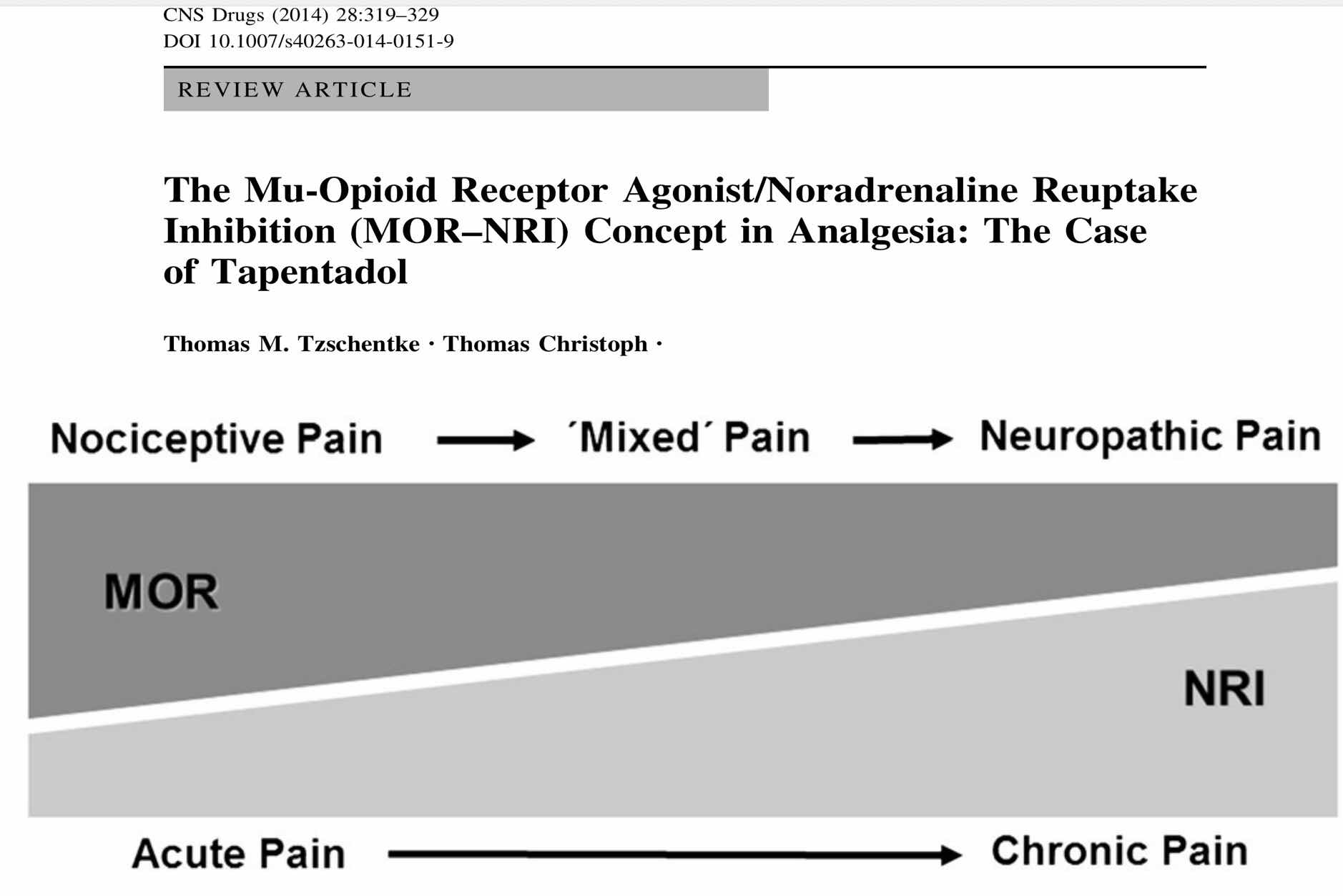
45 MINUTOS PARA VOLVERNOS EXPERTOS EN ...... TAPENTADOL. 

Todo es todo.   Desde historia a indicaciones basadas en la evidencia.  

Nos vemos 


😀